



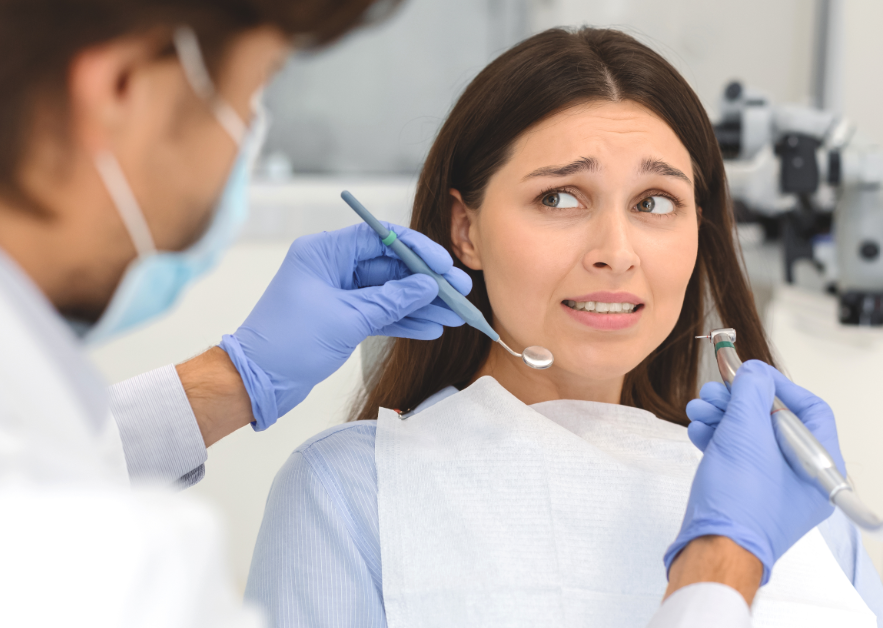
Feeling nervous about visiting the dentist is more common than many people realize. For some, it’s a mild sense of unease, while for others it can develop into a stronger fear known as dental phobia. This level of anxiety may cause people to avoid dental visits altogether, even when they are experiencing pain or other oral health issues.
Dental phobia can have many different causes, and it often develops over time rather than having a single clear trigger. Understanding where these fears come from is an important first step toward overcoming them.
Past Negative Experiences
One of the most common reasons people develop dental anxiety is a previous uncomfortable or painful dental experience. Even if the event happened years ago, the memory can stay with a person and influence how they feel about future appointments.
This is especially true if the experience occurred during childhood. Early dental visits shape how many people view dentistry later in life, and a single negative encounter can lead to long-term fear or avoidance.
Fear of Pain or Discomfort
Even with modern dental technology and improved pain management, many people still associate dental visits with pain. This fear may come from stories they’ve heard, past experiences, or general anxiety about medical procedures.
In reality, dentistry today is designed with patient comfort in mind, and many procedures are far more comfortable than people expect. However, the anticipation of discomfort alone can still be enough to trigger anxiety for some patients.
Loss of Control or Vulnerability
Sitting in a dental chair can make some people feel vulnerable, especially since they are unable to easily see or control what is happening during treatment. This sense of helplessness is a key factor in dental phobia for many individuals.
Lying back with your mouth open while someone works in a close, personal space can feel overwhelming, particularly for those who already struggle with anxiety in other areas of life.
Embarrassment About Oral Health
Some patients avoid the dentist because they feel embarrassed about the condition of their teeth or gums. They may worry about being judged for cavities, gum disease, or how long it has been since their last visit.
However, dental professionals are focused on helping, not judging. Delaying care due to embarrassment often allows small issues to become more serious, which can increase both anxiety and treatment needs over time.
Fear of Dental Tools or Sounds
The sights and sounds of dental equipment can also contribute to anxiety. The sound of a drill, the feeling of instruments in the mouth, or even the smell of a dental office can be triggering for some patients.
These sensory experiences can create a strong emotional response, even if the procedure itself is not painful. This is why many dental offices now focus on creating a calm, soothing environment for patients.
Moving Toward a More Comfortable Experience
Dental phobia is real, but it is also manageable. Many patients find that open communication, gradual exposure, and supportive care help reduce fear over time. Options like sedation dentistry can also make treatment more comfortable for those with more severe anxiety.
Avoiding the dentist due to fear can lead to more serious oral health problems, but with the right support, patients can regain confidence in their dental care.
About the Practice
Elwood Avenue Dental provides comprehensive dental care with a focus on patient comfort and understanding. The practice offers preventive, restorative, and cosmetic services, including sedation dentistry options for patients who experience dental anxiety or fear. Our dynamic dental team is committed to creating a calm, supportive environment where patients feel heard, respected, and cared for throughout their treatment experience.
Call us at (918) 299-2298 or schedule your appointment online.